Jamie Monroe is a memorable WSCFF member – he shows up for people, listens closely, and cares deeply about the union and the members behind it. He’s an inspiring example of the next wave of members carrying union values forward, and we’re proud to share his story.
Born and raised in Lake Stevens, Jamie’s interest in the fire service clicked early. “When I was a sophomorein high school, my mom was diagnosed with breast cancer. That event started to bring my extended family closer. By my senior year, I was inspired to enroll in a part-time fire service trade program by my uncle who is a long-time member of L2024. Eventually, I did a ride along with him, and I instantly realized this was going to be the career for me.”
After graduating high school, Jamie became a volunteer, progressed to a part-time firefighter, and was later hired at Central Kitsap Fire and Rescue. He has been an IAFF member since 2018, first with L2819 Kitsap County, and now with L437 Bremerton.
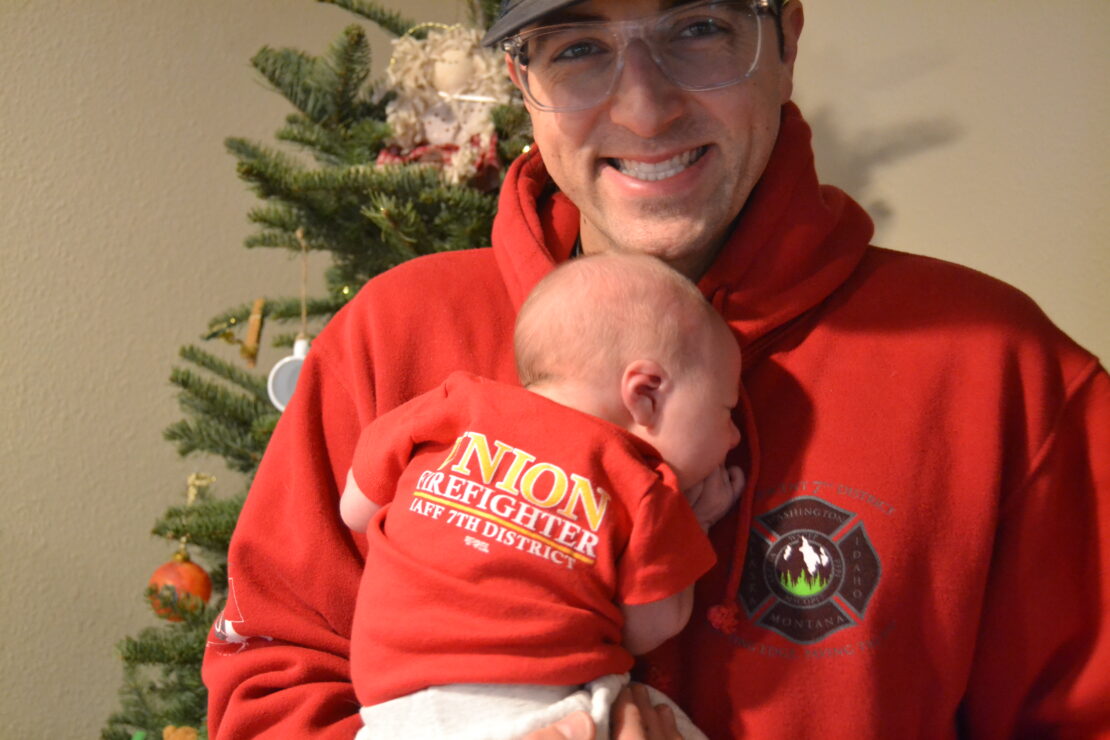
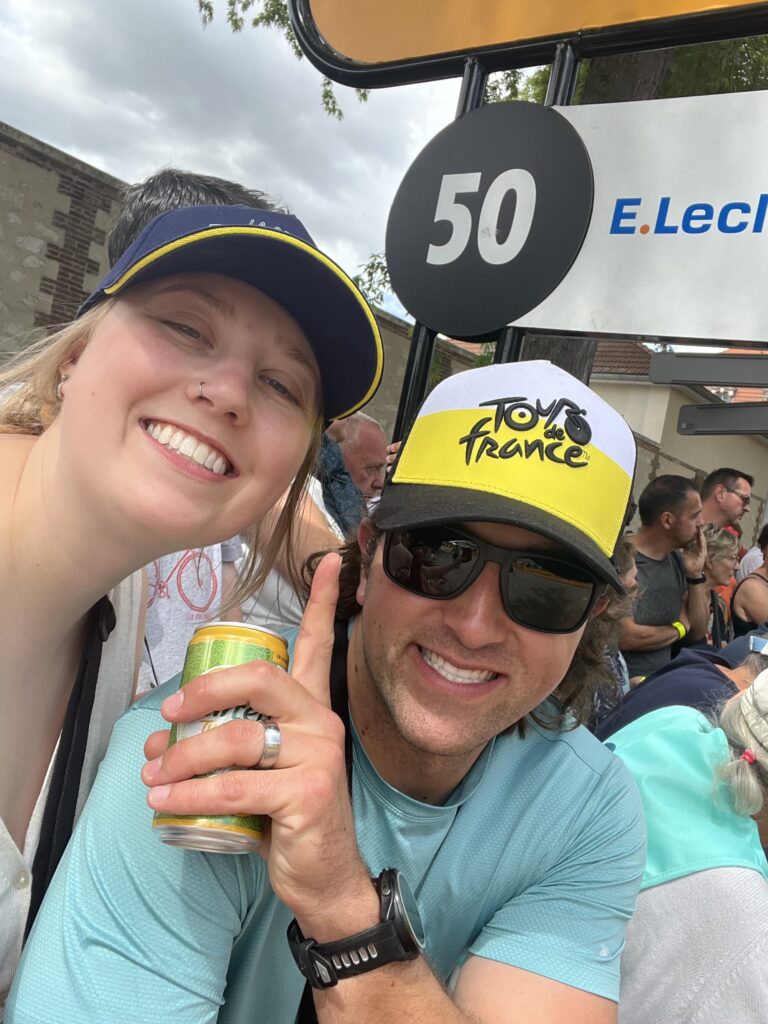
Jamie is a traveler and passionate road cyclist, combining both through long-distance rides that support firefighter and veteran causes. He’s also a new dad who, with his wife, Anna, welcomed a baby girl in November.
WSCFF 7th District Representative Craig Becker says, “Brother Monroe has an uncanny ability to connect and build relationships with a broad spectrum of members – new and experienced alike. He quickly recognized the value of unions and the work accomplished by generations of union leaders who preceded him. His understanding of the labor movement, and his willingness to share that knowledge with all members, has been a benefit to our organization.
Learn more about Jamie from his own words in our latest Membership Spotlight:
What first motivated you to get involved in union work? Was there a moment or a particular issue that sparked your interest?
I remember several mentors stressing the importance of the union from the very beginning. One of them tells his story often – when he was on probation about 30 years ago, he was let go by the department for failing his final written exam. It was the union who advocated for the test to be rescored, and as it turned out, his score was miscalculated, and he was never terminated. When he told his story to me, it really drove home the value of the protection the union provides for all its members, that is bigger than wages, hours, and working conditions.
What does union involvement mean to you personally?
To me, union involvement is about leaving things better than I found them. I very quickly developed an understanding and appreciation that the working class didn’t always have it this way, and if we don’t keep fighting, the scale might start to move backwards. From this understanding, I got involved in my local by attending more and more local meetings and then realized that there are always opportunities for those who seek them.
Attendance at union conferences and seminars was afforded to me because I kept showing up and kept asking questions. When thinking about my local, my goal is: put in that same effort that others did for me long before I started.
How do you see the role of the union with your work in the fire service?
Union work as it relates to the fire service is a big deal to me. Maybe somewhat naively, I used to think that wages, hours, and working conditions were the most important things that the union helped fight for – and in that order. But the longer I am around, the more I think that working conditions belong at the top of that list.
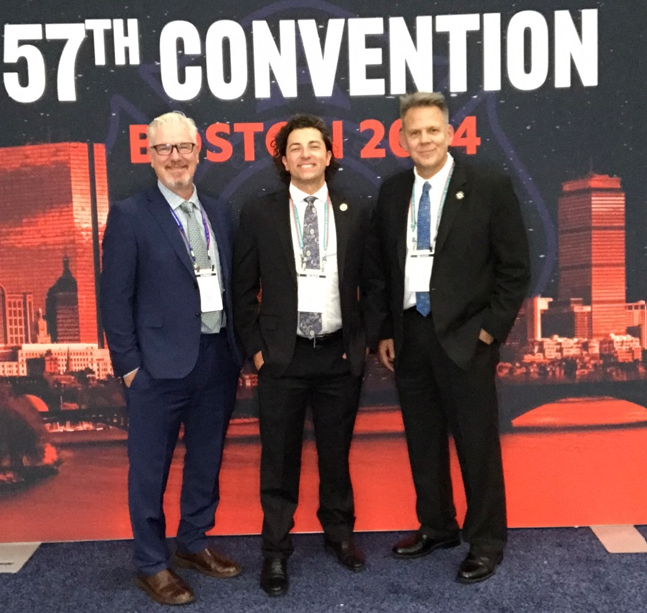
For example, the first conference I attended was the Kelly L. Fox WSCFF Legislative Conference. Once in Olympia, I saw firsthand the great work that my brothers and sisters across the state do by communicating our needs with our legislators, and it felt good to also take part in that higher cause.
One of the greatest things that I think our labor group has lobbied for over recent years has been presumptive language for our members, which, as we know, disproportionally affects firefighters.
You’ve been actively involved in your local’s efforts. What does that work look like day-to-day?
After serving on my local’s eboard for a few years in political action, I was elected to the position of local secretary. I was pretty nervous to take on this role, but I had a great mentor to help ease my transition into it. He told me that I could expect to spend about 40 hours per month doing secretarial work, and I took that seriously. A lot of that work centered around logistics, but then I quickly got involved in contract negotiations. I have found that one of the biggest benefits of attending union conferences and seminars is all the organic networking that happens. As a transplant from Snohomish County, it’s been fun and enlightening to reconnect with old friends, and also a huge benefit to strategize about contract negotiations.
With that said, I opted to not seek reelection for my position on my local eboard in 2026 to refocus my time on my growing family.
Are there specific initiatives or causes you’ve been passionate about?
One of my favorite initiatives to discuss relates to anything about presumptive language. I was brought up to speed specifically about occupational cancer while attending my first legislative conference in 2019 where we supported HB 1913. Through that experience, I’ve learned there are other occupational risks like heart disease that we need our legislature to address to make sure our brothers, sisters, their spouses, and families are protected in the future. I am incredibly inspired by the persistence of the Heart Disease Project – Washington State, and people that I don’t personally know but are working so hard on our behalf like Racquel Pleasants and Kalina Shouse. Although SB 6180 and HB 1571 didn’t make it out committee this session, I have no doubt that our legislative team will continue advocating for this priority next year.
What’s your favorite union memory with the WSCFF?
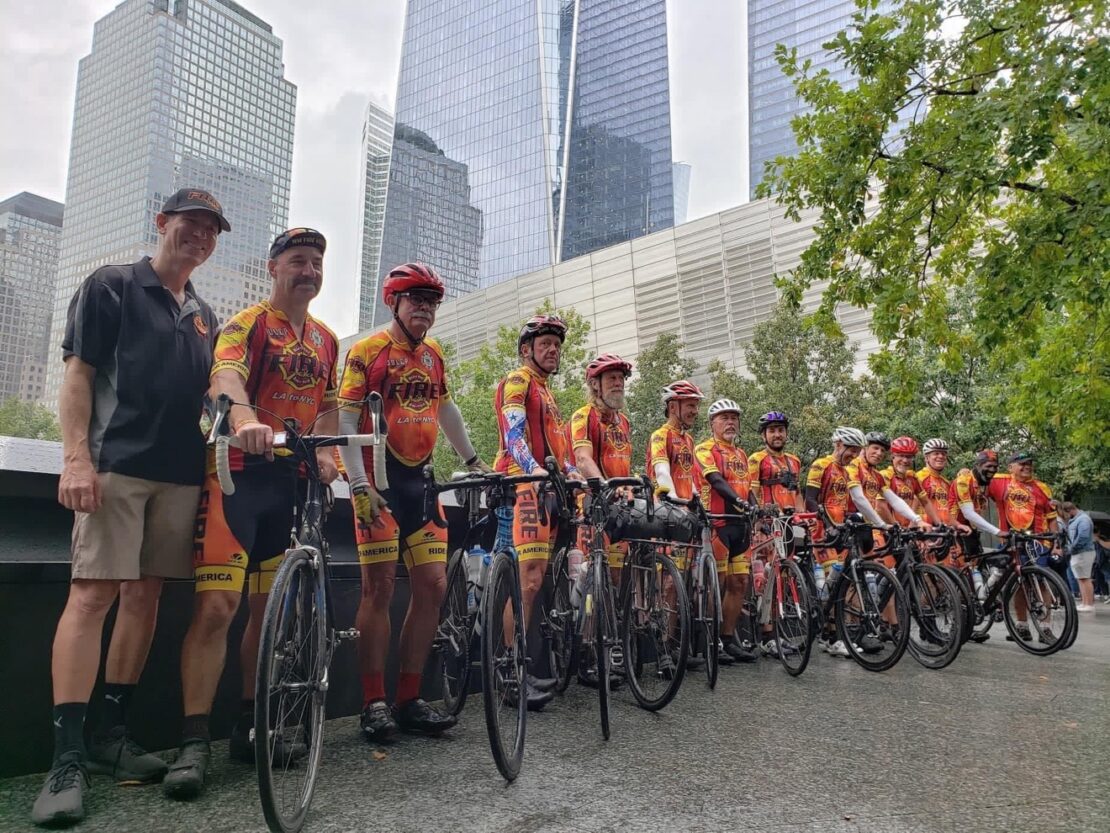
In 2021, the WSCFF made a significant donation in my name to the Fire Velo cycling club. Myself and more than a dozen other firefighters from up and down the west coast (including four others from Washington State), rode from Santa Monica to Ground Zero in observance of the 20th anniversary of 9/11. We raised more than $130,000 for firefighter- and veteran-related charities. Outside of my personal family life, it is the single biggest thing I am proudest of, and I will never forget the support I got from those that care about me, including the WSCFF.
Why do you think it’s important for younger members to engage in union leadership and politics early on?
There are so many reasons for younger members to get involved in union leadership early on. I think the trend we have been seeing across the fire service for several years now is massive growth coupled with many retirements. This has the catastrophic potential to lead to so much valuable information being lost forever at all levels of the union, but the Local level may feel this sting the most. There are also one, sometimes two, or three generational barriers we must cross now to effectively communicate with one another, so the earlier we can work through those barriers with newer members, the better off the union will be down the road.
What’s one thing you’ve learned through your union involvement that you didn’t expect?
When I got involved in the union, I didn’t expect my personal work in it to be so gratifying. I think that’s why I keep coming back and keep showing up. It feels great to know that I am helping brothers and sisters in my bargaining unit and local, and even those who I don’t know across the state. I feel a huge sense of pride and comradery when I reconnect with old acquaintances and friends at conferences and seminars across the state and country. After all, we are all fighting the same, good, fight.
Have you had any mentors who helped guide you along the way? If you have, what advice has stood out the most?
The advice that has stood out the most to me is that there is strength in numbers. The work that we do is so vast that it would be way too much for anybody to singularly do themselves. In learning this, I also learned that asking for help is okay and often encouraged. If there is something that I don’t know, there is always somebody that does.
What challenges do you see facing the next generation of firefighters and union members?
The next generation of firefighters will have to work through the AI movement and what that looks like in this profession for the long haul. It sounds like there is a lot of concern right now about the capabilities that AI has or will have in the future, not just amongst professional firefighters, but the working class as a whole. I don’t think it will ever go away, so the real challenge will be learning how to embrace it the best that we can without training it to replace what we do. In our line of work, the most valuable tool that we have is ourselves.
If you could encourage a member to get more involved, what would you tell them?
Union activism is not always glamorous but is so important. The lifestyle firefighters know and enjoy today is constantly under attack, and it is up to all of us to protect that. There are so many states (and our federal brothers and sisters) who don’t have the same luxuries that we do, such as the right to collectively bargain, or their states have enacted right-to-work laws. If we let off the gas pedal, that could happen here too.
Outside of the union, what do you enjoy doing?
I love traveling with my family and doing most Pacific Northwest things. I tried skiing for the first time last winter with a bunch of friends and would love to do it again. Pickleball has been addicting, but my main passion is road cycling.
What are you most proud of accomplishing in your life?
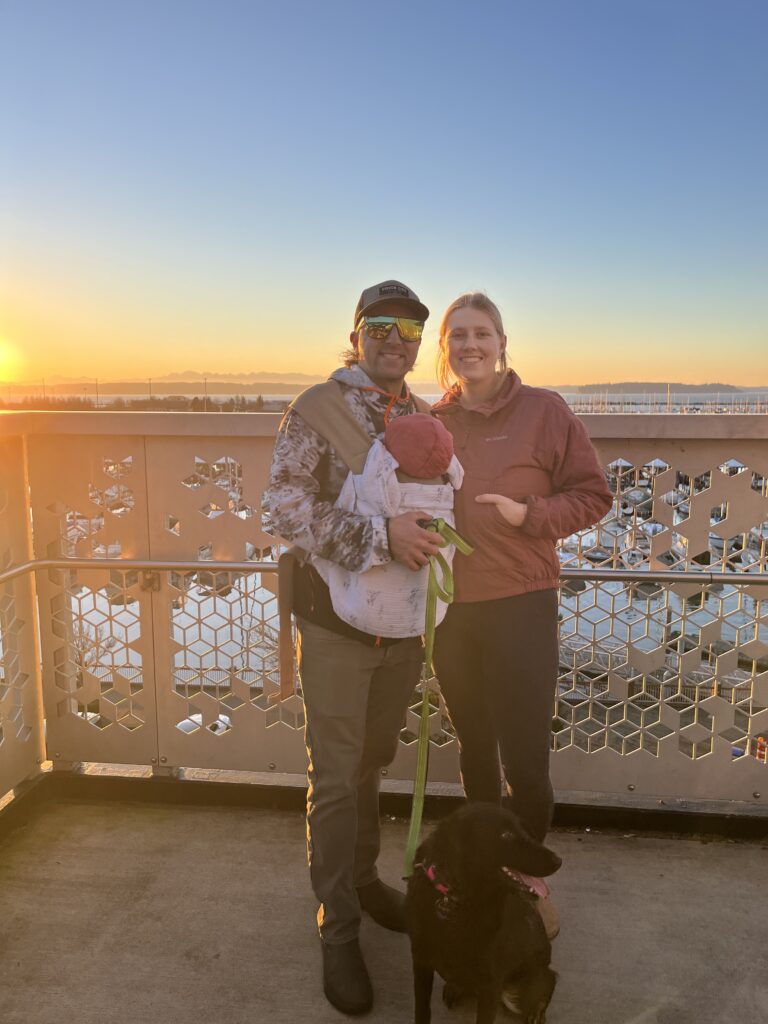
My family has been my biggest accomplishment in life. It started with getting married to my wonderful wife Anna, but now we also have our 2-month-old daughter Sophie. I get it now when people say that nothing prepares you for the love that you have instantaneously when you hold your child for the first time. It’s been pretty surreal, and we are soaking up as much of this stage as we can.
This past September, you were involved in an accident at work. How are you feeling?
In September, I was involved in a pretty significant accident at work. Luckily, I am back to work. Nonetheless, my union brothers and sisters stepped up for my family and me in our time of need, and right away, the biggest blessing came from the Kitsap Fire Fighters Benevolent Fund. If I could make two recommendations to any brother or sister reading this, it would be to help your local organize your own benevolent fund if they don’t already have one, and then set up monthly contributions to it.